
- Joined
- Dec 17, 2025
- Messages
- 115
Alexander Pfander – AI, Independent Filmmaking, and the Future of Storytelling
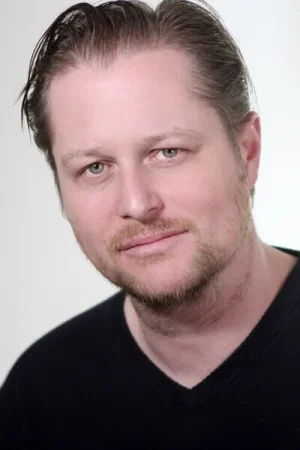
Berlin-based independent filmmaker Alexander Pfander has spent years creating films outside the traditional industry system. As AI begins to reshape what independent filmmakers can achieve with limited resources, he is now exploring how these tools can expand creative possibilities and challenge long-standing barriers to production.
In this Industry Spotlight, Alexander shares his perspective on AI filmmaking, industry gatekeepers, creative independence, and why, after all the challenges, the most important thing is simply to keep creating.
1. Could you briefly introduce yourself to our readers? How did your filmmaking journey begin, and what inspired you to pursue a career in film?
I am Alexander Pfander, an indie filmmaker based in Berlin.
My storytelling journey actually started in the 1990s with pen-and-paper role-playing games like Star Wars, Cyberpunk, and Cthulhu. I was usually the Gamemaster, which meant I had to write the adventures. Those games completely live off immersive storytelling.
Over time, that deep love for narrative and cinema naturally evolved into a passion for filmmaking
2. You're currently finishing your latest film while also experimenting with AI filmmaking tools. When did you first realize that AI could become a meaningful creative tool rather than just another technology?
I recognized the potential about three years ago, but now the technology is finally reaching a point where it works as a genuine storytelling tool.
Whether you use full generative AI or a hybrid approach to replace traditional CGI, it allows you to drastically upgrade the production value of an indie film on a zero-budget level.
3. Artificial intelligence is one of the most debated topics in the film industry today. Some believe it will revolutionize filmmaking, while others see it as a potential threat. How do you view this transformation, and what aspects of filmmaking do you believe will always remain uniquely human?
Right now, AI is still human-driven. When I work on my test clips or hybrid AI shots, I am the one who has to be hands-on and make the creative decisions. However, as tools evolve, the machine will take over more of the heavy lifting.
In five years, I foresee personal movie AI apps where you come home, briefly tell the AI what you want to watch, and it generates a unique, real-time viewing experience just for you.
This will bring hard times and job losses for people within the traditional industry. Personally, I am not reliant on the industry because I have a "bread-and-butter" income outside of film, so I can look at this neutrally. It’s a modern gold rush with massive opportunities.
At the same time, human-created craft will become more valuable much like live theater, which survived cinema. It will still be around, but the landscape will change entirely.
4. You're planning a traditional or hybrid production next summer. How do you envision combining AI with conventional filmmaking in a way that enhances, rather than replaces, human creativity?
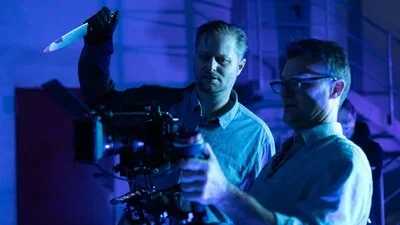
The beauty is that you can do a traditional shoot and use AI to add complex elements like CGI backgrounds, environmental effects, or digital extras.
You can shoot a scene in your living room but give it an epic, cinematic scope. Whatever you can imagine is suddenly possible.
It removes the restrictions historically imposed by gatekeepers and missing finances.
5. What has been the biggest challenge you've faced as an independent filmmaker so far, and what is the most valuable lesson you've learned from it?
Gatekeepers and budgets. Those are the hurdles that are incredibly difficult and sometimes impossible to overcome.
After facing countless rejections, you eventually have to ask yourself: Do I want others to decide what I am allowed to create, or do I simply greenlight myself?
I chose the latter early on.
This realization hit hard after I pitched my film Verbindung to a German broadcaster. They rejected it. I went ahead, made it anyway, and released it on Amazon. A year later, they copied the concept and produced it with a massive budget.
I sued them, and we are still in court.
The biggest lesson I’ve learned is to be careful. There are a lot of bad apples, scam festivals, and shady practices in this industry. Don't trust everyone blindly.
6. On your YouTube channel, you share not only finished work but also visual experiments. Why is it important to you to share your creative process, and what role do you think online platforms play in building a filmmaking career today?
Online platforms are fantastic for showcasing work, reaching an audience directly, and even making a bit of money while bypassing traditional gatekeepers.
However, the competition is fierce. I’m not an influencer and I don't focus on building a massive following, though I do get the occasional fan mail, which is nice.
After realizing that breaking into the traditional industry is like winning the lottery, I stopped taking it so seriously.
I do this for my own pleasure and fun, and I enjoy sharing the process.
I’ve made enough films to know that filmmaking isn't everything. Family, friends, and your health are far more important.
7. What advice would you give to filmmakers who are interested in exploring AI tools but aren't sure where to begin?
Just jump right in.
Watch a few tutorials, follow creators on YouTube who share their workflows, and experiment.
I had an absolute blast creating my AI Western project and was laughing out loud during the edit.
The most important thing is to just have fun with it.
8. Looking ahead, what are your biggest goals for the coming years, and what kinds of films do you ultimately hope to create?
I have three to five scripts sitting on my shelf that originally required multi-million-dollar budgets projects that under normal indie circumstances could never be made.
I will likely tackle those during the cold, dark winter months and just enjoy the process.
I don't expect a Hollywood career or commercial success anymore. I’ve won awards, and honestly, they don't mean much.
The true fulfillment and the fun part lie entirely in the journey of creating.
Working with a human team, crew, and cast is a great experience but working entirely with AI is fine, too.
We will see what the future brings.
Just keep creating.
About Alexander Pfander
Name: Alexander Pfander
Position: Independent Filmmaker, Writer & Director
Company: Cryofeed Studios (ha ezt használja hivatalosan)
Country: Germany
Website: http://alxpanderwriterdirector.com
IMDb: Alexander Pfander
YouTube: https://youtube.com/@cryofeedstudios
Interested in being featured?
FilmPlatforms Industry Spotlight showcases filmmakers, producers, distributors, sales agents, investors, festival professionals, and other voices from across the global film industry.
If you'd like to share your story, experience, and insights with our international filmmaking community, we'd love to hear from you.
Get in touch to be featured in an upcoming Industry Spotlight.
Berlin-based independent filmmaker Alexander Pfander has spent years creating films outside the traditional industry system. As AI begins to reshape what independent filmmakers can achieve with limited resources, he is now exploring how these tools can expand creative possibilities and challenge long-standing barriers to production.
In this Industry Spotlight, Alexander shares his perspective on AI filmmaking, industry gatekeepers, creative independence, and why, after all the challenges, the most important thing is simply to keep creating.
1. Could you briefly introduce yourself to our readers? How did your filmmaking journey begin, and what inspired you to pursue a career in film?
I am Alexander Pfander, an indie filmmaker based in Berlin.
My storytelling journey actually started in the 1990s with pen-and-paper role-playing games like Star Wars, Cyberpunk, and Cthulhu. I was usually the Gamemaster, which meant I had to write the adventures. Those games completely live off immersive storytelling.
Over time, that deep love for narrative and cinema naturally evolved into a passion for filmmaking
2. You're currently finishing your latest film while also experimenting with AI filmmaking tools. When did you first realize that AI could become a meaningful creative tool rather than just another technology?
I recognized the potential about three years ago, but now the technology is finally reaching a point where it works as a genuine storytelling tool.
Whether you use full generative AI or a hybrid approach to replace traditional CGI, it allows you to drastically upgrade the production value of an indie film on a zero-budget level.
3. Artificial intelligence is one of the most debated topics in the film industry today. Some believe it will revolutionize filmmaking, while others see it as a potential threat. How do you view this transformation, and what aspects of filmmaking do you believe will always remain uniquely human?
Right now, AI is still human-driven. When I work on my test clips or hybrid AI shots, I am the one who has to be hands-on and make the creative decisions. However, as tools evolve, the machine will take over more of the heavy lifting.
In five years, I foresee personal movie AI apps where you come home, briefly tell the AI what you want to watch, and it generates a unique, real-time viewing experience just for you.
This will bring hard times and job losses for people within the traditional industry. Personally, I am not reliant on the industry because I have a "bread-and-butter" income outside of film, so I can look at this neutrally. It’s a modern gold rush with massive opportunities.
At the same time, human-created craft will become more valuable much like live theater, which survived cinema. It will still be around, but the landscape will change entirely.
4. You're planning a traditional or hybrid production next summer. How do you envision combining AI with conventional filmmaking in a way that enhances, rather than replaces, human creativity?
The beauty is that you can do a traditional shoot and use AI to add complex elements like CGI backgrounds, environmental effects, or digital extras.
You can shoot a scene in your living room but give it an epic, cinematic scope. Whatever you can imagine is suddenly possible.
It removes the restrictions historically imposed by gatekeepers and missing finances.
5. What has been the biggest challenge you've faced as an independent filmmaker so far, and what is the most valuable lesson you've learned from it?
Gatekeepers and budgets. Those are the hurdles that are incredibly difficult and sometimes impossible to overcome.
After facing countless rejections, you eventually have to ask yourself: Do I want others to decide what I am allowed to create, or do I simply greenlight myself?
I chose the latter early on.
This realization hit hard after I pitched my film Verbindung to a German broadcaster. They rejected it. I went ahead, made it anyway, and released it on Amazon. A year later, they copied the concept and produced it with a massive budget.
I sued them, and we are still in court.
The biggest lesson I’ve learned is to be careful. There are a lot of bad apples, scam festivals, and shady practices in this industry. Don't trust everyone blindly.
6. On your YouTube channel, you share not only finished work but also visual experiments. Why is it important to you to share your creative process, and what role do you think online platforms play in building a filmmaking career today?
Online platforms are fantastic for showcasing work, reaching an audience directly, and even making a bit of money while bypassing traditional gatekeepers.
However, the competition is fierce. I’m not an influencer and I don't focus on building a massive following, though I do get the occasional fan mail, which is nice.
After realizing that breaking into the traditional industry is like winning the lottery, I stopped taking it so seriously.
I do this for my own pleasure and fun, and I enjoy sharing the process.
I’ve made enough films to know that filmmaking isn't everything. Family, friends, and your health are far more important.
7. What advice would you give to filmmakers who are interested in exploring AI tools but aren't sure where to begin?
Just jump right in.
Watch a few tutorials, follow creators on YouTube who share their workflows, and experiment.
I had an absolute blast creating my AI Western project and was laughing out loud during the edit.
The most important thing is to just have fun with it.
8. Looking ahead, what are your biggest goals for the coming years, and what kinds of films do you ultimately hope to create?
I have three to five scripts sitting on my shelf that originally required multi-million-dollar budgets projects that under normal indie circumstances could never be made.
I will likely tackle those during the cold, dark winter months and just enjoy the process.
I don't expect a Hollywood career or commercial success anymore. I’ve won awards, and honestly, they don't mean much.
The true fulfillment and the fun part lie entirely in the journey of creating.
Working with a human team, crew, and cast is a great experience but working entirely with AI is fine, too.
We will see what the future brings.
Just keep creating.
About Alexander Pfander
Name: Alexander Pfander
Position: Independent Filmmaker, Writer & Director
Company: Cryofeed Studios (ha ezt használja hivatalosan)
Country: Germany
Website: http://alxpanderwriterdirector.com
IMDb: Alexander Pfander
YouTube: https://youtube.com/@cryofeedstudios
Interested in being featured?
FilmPlatforms Industry Spotlight showcases filmmakers, producers, distributors, sales agents, investors, festival professionals, and other voices from across the global film industry.
If you'd like to share your story, experience, and insights with our international filmmaking community, we'd love to hear from you.
Get in touch to be featured in an upcoming Industry Spotlight.
Last edited:


