
- Joined
- Dec 17, 2025
- Messages
- 132
Topher Hall, Founder of TophVision Studios, on Building Commercially Successful Films
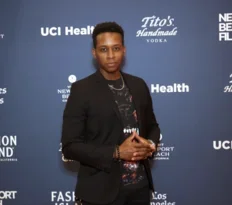
Photo courtesy of Topher Hall / TophVision Studios.
Welcome to another edition of FilmPlatforms Industry Spotlight, our ongoing interview series featuring professionals from across the global film industry.In each edition, we invite filmmakers, producers, distributors, sales agents, investors, film festivals, and other industry professionals to share their real-world experience and insights.
In this edition, we're pleased to welcome Topher Hall, Actor, Producer, and Founder of TophVision Studios, who shares his perspective on building commercially successful films, developing long-term industry relationships, and balancing creative vision with business strategy.
1. Please introduce yourself, your company, and what you do.
My name is Topher Hall, and I’m an actor, producer, and the founder of TophVision Studios in Los Angeles.TophVision Studios was built around a simple belief: great films deserve more than great stories they deserve a clear strategy to reach audiences. From the beginning, my goal has been to build projects that are creatively ambitious while also being commercially viable.
We’re currently developing several feature films, including BLACKLINE: The Protocol, a psychological action thriller that explores influence, control, and technology. While every project is different, they all share one common goal: tell stories that entertain audiences while creating real opportunities for investors, filmmakers, and distribution partners.
Beyond producing films, I’m passionate about building long-term relationships throughout the industry because I’ve learned that great careers aren’t built around a single project they’re built around great people.
2. What is the biggest challenge currently facing your part of the film industry?
For me, it starts with understanding that making a great film is only half the job. The other half is making sure people around the world actually have the opportunity to see it and that everyone involved understands how the project is intended to succeed.From the earliest stages of development, I’m thinking about who the audience is, what universal themes the story explores, and how the project can resonate across different markets and cultures. That doesn’t mean compromising creativity it means strengthening it by making sure every creative decision serves both the story and the audience.
I’m also asking business questions from the very beginning. How will this film reach its audience? What does the financial model look like? How do investors have the opportunity to recoup their investment? What partnerships need to be in place before cameras roll?
I believe producers have a responsibility to think beyond simply making the film. That means developing a clear business plan, understanding multiple distribution pathways, and building a marketing strategy that doesn’t rely solely on traditional methods. Today’s filmmakers have more tools than ever before from digital platforms and strategic partnerships to direct audience engagement through social media and community building.
When creative vision, business strategy, and audience development are considered together from day one, you give the project the best possible chance to succeed not just as a film, but as a sustainable business.
3. What is the most common mistake filmmakers make when approaching your company?
I think today’s marketplace rewards preparation just as much as creativity.A great story will always be the foundation, but distributors and investors also want to know there’s a clear audience, a realistic marketing strategy, and a team that understands how to position the project for success.
The films that stand out are the ones where every piece works together the script, the budget, the casting strategy, the branding, and the distribution plan. Audiences connect with authentic stories, but the business side of filmmaking is what gives those stories the opportunity to reach them.
For me, it’s about respecting both the art and the business equally.
4. What advice would you give filmmakers looking for financing, sales representation, distribution, or industry partners?
One of the biggest lessons has been learning the value of patience.When you’re passionate about a project, it’s natural to want to move quickly. But I’ve learned that the right relationships are far more important than fast decisions. Every conversation, every partnership, and every piece of the package has to strengthen the project.
Developing BLACKLINE: The Protocol has reinforced something I believe strongly: great films aren’t rushed they’re built. Taking the time to surround yourself with the right people ultimately creates a much stronger foundation for long-term success.
5. What makes a film, producer, or project stand out to you?
Working in the government in highly classified sectors taught me to think strategically, solve complex problems, and stay calm under pressure. It also taught me the importance of preparation, communication, and building trust.Producing films requires many of those same skills. Every project presents unexpected challenges, and your ability to adapt while keeping everyone focused on the bigger picture is incredibly important.
That experience also shaped the way I approach leadership. I believe people do their best work when they feel respected, heard, and united around a common vision.
6. How do you see the film industry evolving over the next 5–10 years?
I’m always interested in connecting with people who believe in building genuine, long-term relationships.That includes producers, investors, distributors, marketing professionals, entertainment attorneys, and filmmakers who are passionate about creating meaningful work.
Where I believe I provide the greatest value is bringing together the creative and business sides of filmmaking. I’m passionate about packaging projects, developing strategic partnerships, and helping filmmakers think beyond production by considering financing, marketing, and distribution from the beginning.
As TophVision Studios continues to grow, I’m always excited to build relationships with investors, producers, distributors, and strategic partners who believe in creating commercially successful films without compromising great storytelling. The best partnerships aren’t built around a single project they’re built around shared values, trust, and a long-term vision.
7. Is there a recent project, film, or initiative you'd like to share with the FilmPlatforms community?
Play the long game.So many people focus on getting the next project made that they forget they’re actually building a career. Every conversation, every project, and every relationship contributes to your reputation.
Be someone people enjoy working with. Stay curious. Continue learning. Deliver on your commitments. Success in this industry rarely comes from one breakthrough moment it comes from consistently showing up, creating value, and building trust over time.
The relationships you invest in today often become the opportunities you receive years from now.
8. What is one piece of advice every filmmaker should hear?
My advice would be to focus on preparation before seeking opportunity.Before approaching investors or distributors, make sure you’ve done everything you can to strengthen your package. Understand your audience, build a professional pitch deck, create a realistic budget, and have a clear vision for how the film will reach the marketplace.
At the same time, invest in relationships long before you need them. Don’t meet someone only because you want something from them. Get to know people, support their work, and become part of the industry community.
I’ve found that opportunities often come through trust rather than introductions alone. When people know your character, your work ethic, and your long-term vision, they’re much more likely to want to work with you.
Ultimately, filmmaking is a relationship business. Great projects matter but great relationships are often what bring those projects to life.
About Topher Hall
Name: Topher HallPosition: Actor, Producer & Founder
Company: TophVision Studios
Country: United States
Website: www.TophVision.com
IMDb: https://www.imdb.com/name/nm5968184/
Company IMDb: https://pro.imdb.com/company/co0800917
We sincerely thank Topher Hall for taking the time to share his experience with the FilmPlatforms community.
Interested in being featured?
We regularly feature filmmakers, producers, distributors, sales agents, investors, film festival representatives, and other film industry professionals.
If you'd like to share your experience and insights with the FilmPlatforms community, we'd love to hear from you.
Get in touch with us to be featured in a future Industry Spotlight interview.
Last edited:


