
- Joined
- Dec 17, 2025
- Messages
- 138
An Interview with Eldonie S. Mason, Esq. – Founder, Mason Firm, LLC

A film is more than a creative project. It is also intellectual property, a business asset, and a collection of rights and contractual obligations that can affect its future.
For this edition of FilmPlatforms Industry Spotlight, we speak with Eldonie S. Mason, founder of Mason Firm, LLC, a New Jersey entertainment law firm.
With more than 21 years of legal experience, including 19 years dedicated to entertainment law, Eldonie shares practical insights into protecting creative rights, avoiding costly legal mistakes, negotiating film financing agreements, and navigating the growing influence of artificial intelligence.
My journey into entertainment law wasn't accidental. I've always been passionate about the intersection of creativity and business. While many people are drawn to the glamour of the entertainment industry, I was fascinated by the deals that make careers possible. Every successful film, television show, album, or creative venture is built on contracts, intellectual property, financing, and strategic business decisions. That's where I knew I wanted to make my impact.
Today, my mission extends beyond representing individual clients. I'm passionate about helping strengthen New Jersey's entertainment ecosystem by educating creators, supporting filmmakers, and helping creative businesses grow. I believe lawyers shouldn't simply solve problems after they happen. We should help our clients avoid them in the first place and position them to build lasting careers.
The second mistake is relying on generic contracts they find online. Every film project is different. Investors, producers, writers, directors, cast members, crew, music, locations, and intellectual property all create unique legal issues. A template downloaded from the internet rarely addresses the realities of an actual production.
The third mistake is thinking like an artist instead of thinking like the owner of a business. A film isn't just a creative work. It's intellectual property and a commercial asset. Successful filmmakers understand they're building a business, not simply making a movie.
One of the biggest misconceptions is that lawyers only become necessary when something goes wrong. In reality, the best legal work happens long before there's a dispute. During development, an attorney can help determine the appropriate business structure, secure underlying rights, prepare producer and writer agreements, review financing documents, and identify legal risks before they become costly problems.
Good legal planning gives filmmakers more flexibility during financing, production, and distribution because the project is built on a solid foundation from the beginning.
Many filmmakers focus almost exclusively on the amount of money being offered. That's understandable, especially on independent projects. But financing agreements often include provisions that affect ownership, creative control, decision-making authority, profit participation, distribution rights, sequel rights, and even future projects.
Every agreement should be evaluated as part of the larger business strategy. Sometimes the best deal isn't the one with the biggest check. It's the one that allows you to preserve the value of the intellectual property you've worked so hard to create.
Another major trend is that filmmakers increasingly need to think like entrepreneurs. Today's filmmaker may also be building a personal brand, producing content across multiple platforms, negotiating sponsorships, licensing intellectual property, and creating multiple revenue streams.
The legal issues are becoming more complex because the business models are becoming more sophisticated.
I've seen situations where a dispute appeared to be about money or a contract, but after digging deeper, the underlying issue was poor planning, unclear expectations, or the absence of proper documentation from the very beginning.
That experience has reinforced my philosophy that entertainment lawyers create the greatest value when they're strategic advisors, not simply litigators. Preventing a problem is almost always less expensive and less stressful than trying to fix one after the damage has already been done.
We'll continue to see significant questions surrounding copyright ownership, training data, licensing, performer rights, voice and likeness rights, and disclosure obligations. Contracts will become more detailed as parties negotiate how AI can and cannot be used during development, production, marketing, and post-production.
I don't believe AI replaces filmmakers. I believe it changes the value of human creativity. As AI makes content easier to produce, originality, strong storytelling, and authentic intellectual property become even more valuable. Lawyers will play an increasingly important role in helping creators protect those assets.
The most successful people in this industry aren't simply making one great film. They're building careers, companies, relationships, and valuable intellectual property portfolios. Every project should move you closer to a long-term vision.
Surround yourself with professionals who understand both the creative and business sides of entertainment. Invest in good legal advice early, build strong relationships, protect your intellectual property, and never stop learning the business of the industry.
Talent may open the first door, but smart business decisions are what keep the doors opening throughout your career.
About Eldonie S. Mason
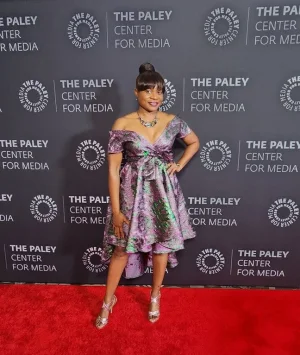
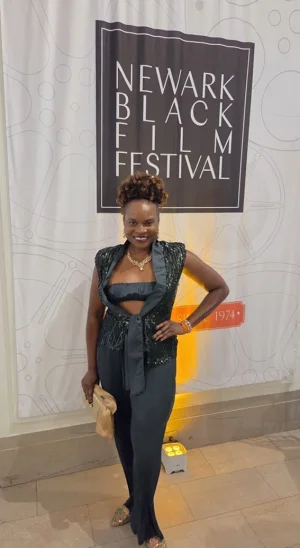
Eldonie S. Mason, Esq. is the founder of Mason Firm, LLC, a New Jersey-based entertainment law firm focused on helping creators and entertainment businesses protect their rights and navigate the business of entertainment.
Website: https://www.masonfirmllc.com
LinkedIn: https://www.linkedin.com/in/eldoniemason/
FilmPlatforms sincerely thanks Eldonie S. Mason for sharing her experience and professional insights with our international film community.
FilmPlatforms Industry Spotlight – Connecting film professionals, sharing industry knowledge, and building meaningful conversations.
A film is more than a creative project. It is also intellectual property, a business asset, and a collection of rights and contractual obligations that can affect its future.
For this edition of FilmPlatforms Industry Spotlight, we speak with Eldonie S. Mason, founder of Mason Firm, LLC, a New Jersey entertainment law firm.
With more than 21 years of legal experience, including 19 years dedicated to entertainment law, Eldonie shares practical insights into protecting creative rights, avoiding costly legal mistakes, negotiating film financing agreements, and navigating the growing influence of artificial intelligence.
1. Please introduce yourself in 2–3 paragraphs.
I'm Eldonie S. Mason, founder of Mason Firm, LLC, a New Jersey law firm focused exclusively on the entertainment industry. For more than 21 years, I've practiced law, with the last 19 years dedicated to representing creators and entertainment businesses. My clients include filmmakers, producers, musicians, songwriters, artists, production companies, and other creative entrepreneurs. At Mason Firm, we help creators secure deals, protect their rights, and scale their businesses.My journey into entertainment law wasn't accidental. I've always been passionate about the intersection of creativity and business. While many people are drawn to the glamour of the entertainment industry, I was fascinated by the deals that make careers possible. Every successful film, television show, album, or creative venture is built on contracts, intellectual property, financing, and strategic business decisions. That's where I knew I wanted to make my impact.
Today, my mission extends beyond representing individual clients. I'm passionate about helping strengthen New Jersey's entertainment ecosystem by educating creators, supporting filmmakers, and helping creative businesses grow. I believe lawyers shouldn't simply solve problems after they happen. We should help our clients avoid them in the first place and position them to build lasting careers.
2. After more than 21 years practicing law, including 19 years dedicated to entertainment law, what are the three most common legal mistakes you see independent filmmakers make?
The first mistake is waiting too long to hire an entertainment attorney. Many filmmakers treat legal as something they'll deal with after they've secured financing or landed distribution. By then, they may have already signed unfavorable agreements or created problems that are far more expensive to fix than they were to prevent.The second mistake is relying on generic contracts they find online. Every film project is different. Investors, producers, writers, directors, cast members, crew, music, locations, and intellectual property all create unique legal issues. A template downloaded from the internet rarely addresses the realities of an actual production.
The third mistake is thinking like an artist instead of thinking like the owner of a business. A film isn't just a creative work. It's intellectual property and a commercial asset. Successful filmmakers understand they're building a business, not simply making a movie.
3. At what stage of a film project should filmmakers or producers involve an entertainment attorney, and why can early legal guidance make such a significant difference?
Ideally, before the first dollar is spent.One of the biggest misconceptions is that lawyers only become necessary when something goes wrong. In reality, the best legal work happens long before there's a dispute. During development, an attorney can help determine the appropriate business structure, secure underlying rights, prepare producer and writer agreements, review financing documents, and identify legal risks before they become costly problems.
Good legal planning gives filmmakers more flexibility during financing, production, and distribution because the project is built on a solid foundation from the beginning.
4. Film financing often involves investors, co-producers, distributors, and multiple agreements. From a legal perspective, what should filmmakers pay the closest attention to before signing any deal?
The most important question is simple: What rights are you giving away?Many filmmakers focus almost exclusively on the amount of money being offered. That's understandable, especially on independent projects. But financing agreements often include provisions that affect ownership, creative control, decision-making authority, profit participation, distribution rights, sequel rights, and even future projects.
Every agreement should be evaluated as part of the larger business strategy. Sometimes the best deal isn't the one with the biggest check. It's the one that allows you to preserve the value of the intellectual property you've worked so hard to create.
5. The entertainment industry is constantly evolving. Have you noticed any major legal trends or emerging challenges in recent years that filmmakers should be aware of?
Absolutely. Artificial intelligence is changing nearly every part of content creation. We're also seeing tremendous growth in the creator economy, vertical dramas, microseries, and independent digital distribution. The barriers to entry have never been lower, but that also means competition has never been greater.Another major trend is that filmmakers increasingly need to think like entrepreneurs. Today's filmmaker may also be building a personal brand, producing content across multiple platforms, negotiating sponsorships, licensing intellectual property, and creating multiple revenue streams.
The legal issues are becoming more complex because the business models are becoming more sophisticated.
6. Throughout your career, have you worked on a case or faced a legal challenge that taught you an important lesson or significantly influenced the way you approach your work?
One lesson that has stayed with me throughout my career is that the legal issue clients bring you is often only the symptom. The real problem usually started much earlier.I've seen situations where a dispute appeared to be about money or a contract, but after digging deeper, the underlying issue was poor planning, unclear expectations, or the absence of proper documentation from the very beginning.
That experience has reinforced my philosophy that entertainment lawyers create the greatest value when they're strategic advisors, not simply litigators. Preventing a problem is almost always less expensive and less stressful than trying to fix one after the damage has already been done.
7. Artificial intelligence is rapidly transforming the entertainment industry. How do you believe AI will impact copyright, contracts, ownership, and the legal landscape for filmmakers over the next five years?
AI is going to reshape the entertainment industry in much the same way digital streaming transformed music and film.We'll continue to see significant questions surrounding copyright ownership, training data, licensing, performer rights, voice and likeness rights, and disclosure obligations. Contracts will become more detailed as parties negotiate how AI can and cannot be used during development, production, marketing, and post-production.
I don't believe AI replaces filmmakers. I believe it changes the value of human creativity. As AI makes content easier to produce, originality, strong storytelling, and authentic intellectual property become even more valuable. Lawyers will play an increasingly important role in helping creators protect those assets.
8. Finally, what advice would you give to filmmakers, producers, and other creative professionals who want to build not only successful projects, but also sustainable, long-term careers in today's entertainment industry?
Stop thinking project to project.The most successful people in this industry aren't simply making one great film. They're building careers, companies, relationships, and valuable intellectual property portfolios. Every project should move you closer to a long-term vision.
Surround yourself with professionals who understand both the creative and business sides of entertainment. Invest in good legal advice early, build strong relationships, protect your intellectual property, and never stop learning the business of the industry.
Talent may open the first door, but smart business decisions are what keep the doors opening throughout your career.
About Eldonie S. Mason
Eldonie S. Mason, Esq. is the founder of Mason Firm, LLC, a New Jersey-based entertainment law firm focused on helping creators and entertainment businesses protect their rights and navigate the business of entertainment.
Website: https://www.masonfirmllc.com
LinkedIn: https://www.linkedin.com/in/eldoniemason/
FilmPlatforms sincerely thanks Eldonie S. Mason for sharing her experience and professional insights with our international film community.
FilmPlatforms Industry Spotlight – Connecting film professionals, sharing industry knowledge, and building meaningful conversations.


